A Born-Digital HABS Photo Standard is Coming Someday, but not yet.
The Historic American Buildings Survey (HABS*), the Historic American Engineering Record (HAER), and the Historic American Landscapes Survey (HALS) programs are the way America documents its significant inherited environment. For the last 93 years HABS has documented built America exceptionally well, with honest, unmanipulated documentary photographs, measured drawings and in-depth historic reports, all archived and publicly accessible at the Library of Congress. The HABS program has been called the ‘Gold Standard’ of documentation for generations, but progress being what it is, the photography portion of HABS will need to modernize and “Go Digital” in order to keep it from becoming the ‘Old Standard’.
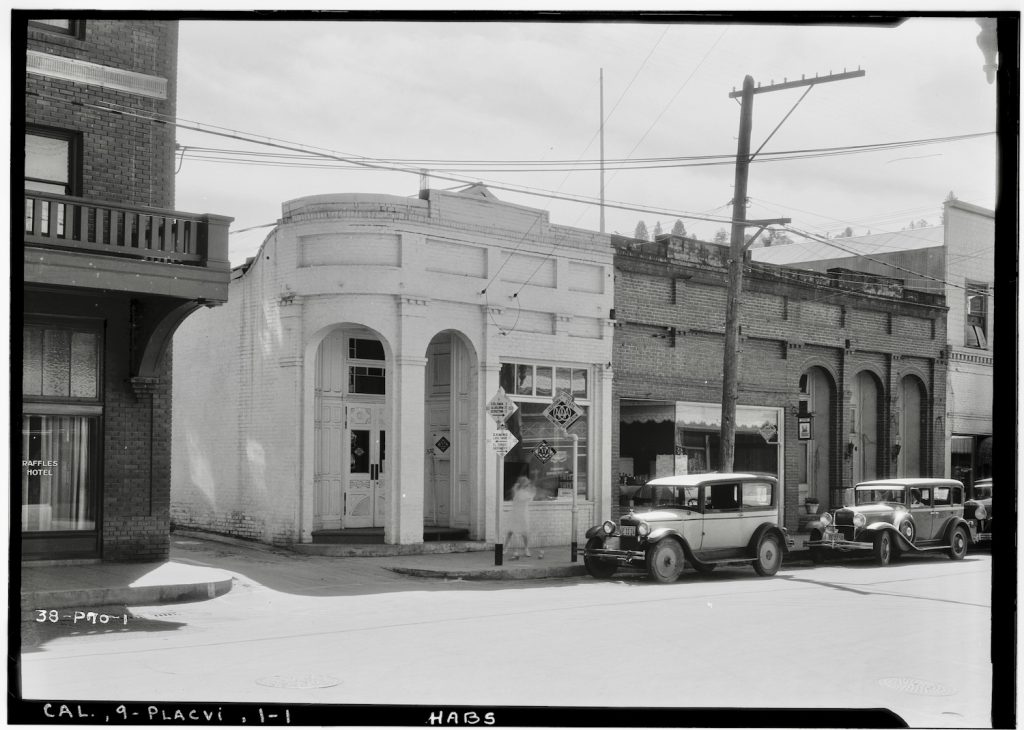
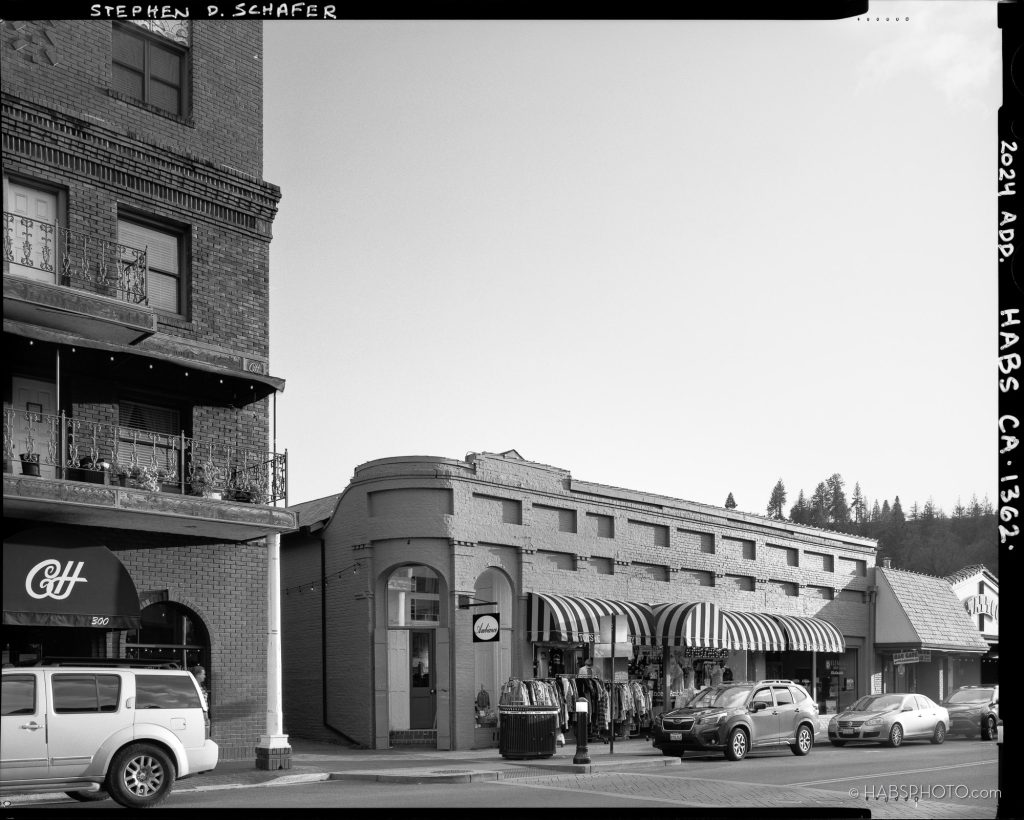
If we’re going to photograph America’s significant architecture, engineering and landscapes for the next 93 years, the programs need to embrace born-digital photography. Today, there’s a digital camera in everybody’s pocket. I can’t fault the casual observer’s disbelief when I tell them that HABS is the last standout for large format film photography of architecture.
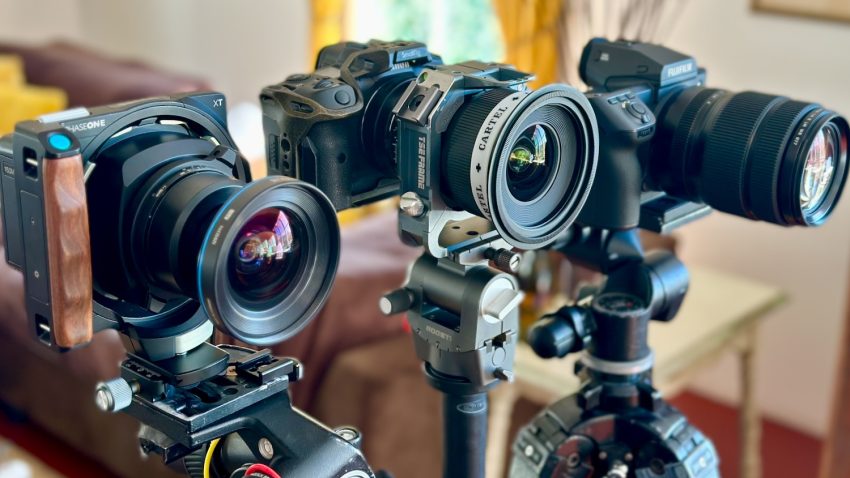
The good news: Since 2017, the photographers at HABS have been alpha testing the cameras that could become a born-digital HABS/HAER/HALS standard. The legacy film photography guidelines (1934-2015) – requiring large format (4×5 and 5×7) film – are set to be supplemented with a modern, flexible: Born-Digital HABS standard. The new technology will allow for color in all photos, and the potential for rich metadata (camera data, lens data, keywords, and perhaps GPS location data) to be embedded in all HABS digital photos. I presume the new Born-Digital (BD) HABS will likely start slowly, as newer mitigations call for Born-Digital while older projects still call for film recording. Born-digital will eventually come to make up the majority of future HABS work, adding digital images to the more than 332,000 HABS negatives already in the Library of Congress.
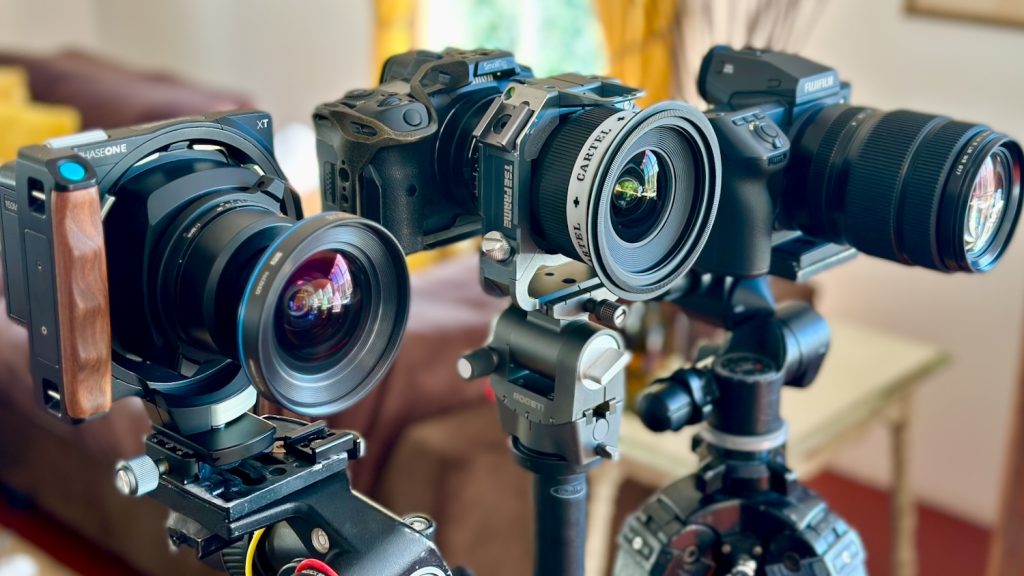
The not so good news: A project as complex as converting the entire system for HABS recording and transmittal won’t happen quickly. It may seem counterintuitive, but establishing a baseline camera standard or a baseline megapixel standard are the simple parts of the guideline. Digital cameras with medium format sensors and 100 megapixels of resolution are now available for under $6000 – similar to the cost of a 35mm Sony camera with 50 megapixels. Hypothetically, establishing a minimum threshold for camera technology is the easy part: For example, let’s say NPS decides on a minimum 87-megapixel camera, on a tripod, with shifting lens optics. Instantly a thousand photographers with that kind of digital kit would be able to do HABS photography without buying anything they don’t already use for their landscape and architectural photography everyday. Just like Julius Schulman and Marvin Rand did HABS photography as a side hustle to their bread and butter jobs for Architectural Record and Better Homes & Gardens, editorial photographers from Dwell and AD magazines could cross over to BD-HABS. Nikon, Canon, Sony, and Leica are all knocking on the 100-megapixel door and will all probably all produce 100MP sensors in the next two years. But even in 2026 there are a dozen ways to implement a 100+ megapixel requirement with new, leased (or used) equipment, from multiple camera manufacturers in Japan, Sweden, and Denmark, and lenses from Japan, China, Germany and the Czech Republic… but then what?
The COMPLEXER question is how would digital pixels captured in the field end up as publicly accessible photographic artifacts in the Library of Congress (LoC)? But off the top of my head, I can conjure a plethora of other tough questions that also need to be answered: Can I just submit 100 digital photos instead of ten and let NPS decide which is best? Do I have to use a tripod? Can I still do black and white because it’s artsy? What about my 100 megapixel phone? Can I submit some photos of cool old buildings I took on my vacation to New York in 2001? What optics would be acceptable? What metadata would be required? What digital file format, file transfer protocol, virus safety, embedded security features are acceptable? Are the files Emailed to NPS or dropped in a folder linked on some (yet to be established) government computer on a government website? Can I mail NPS a thumb drive? What post production would be required/allowed? Would exposure, sharpening, cropping, or color balance changes be “allowed” after capture? 16-bit color or some other standard using which ICC color profile? Does GPS data negate the need for a photo Keymap? Can I shoot and deliver proprietary camera RAW files? What software would be standard to process camera RAW files? Would retouching be allowed? How would the “truthfulness” of the images be established? Would/could image manipulation (retouching) be evaluated by the NPS/LoC. Can image manipulation even be discovered? How would born-digital photo files move around government networks on their way to the LoC with all their associated metadata, keywords, and links? What IT experts – fluent in documentary historic photography AND digital asset management – will be hired at all the regional NPS offices to handle all the knobs, levers, and twiddly bits associated with a new digital media workflow?
I assume new BD-HABS standards and guidelines would probably need to go through the government gauntlet of drafts and comments before being formally added to the Secretary of the Interior’s Standards and Guidelines for Architectural and Engineering Documentation (SISAED). Even after a public guideline is published, it may take Heritage Documentation Programs time to implement a digital transmittal workflow in all 50 states.
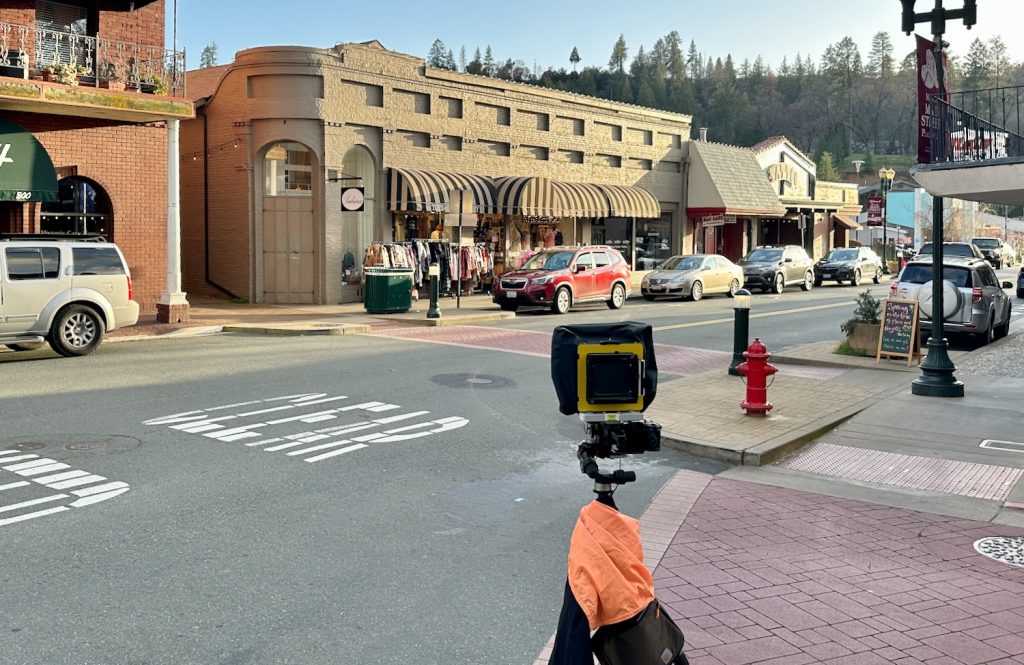
It would make sense for large format film to continue to be accepted for years after BD is implemented because many mitigations have already been recorded on film and are still working their way through reviews on their way to final transmittal and because so many existing mitigations require large format and will need to be modified for born-digital.
It won’t be easy, a thousand decisions need to be distilled down to a workable, internal Born-Digital HABS digital asset management workflow and public Born-Digital HABS field photography standards and guidelines. Whatever the deciders decide, I will continue to do my best to record important places in America on whatever media continues the HABS legacy as the Gold Standard in heritage documentation.
*I’ve used HABS to refer to all three National Park Service Heritage Documentation Programs, the Historic American Buildings Survey, the Historic American Engineering Record and the Historic American Landscapes Survey.
© 2026 Stephen Schafer
www.HABSphoto.com
For more information about HABS/HAER/HALS or historic building photography in general, don’t hesitate to reach out, we’re always happy to help people document our inherited environment.
Stephen Schafer
Architectural Photography,
Ventura, California
Ph: 415-857-HAER